
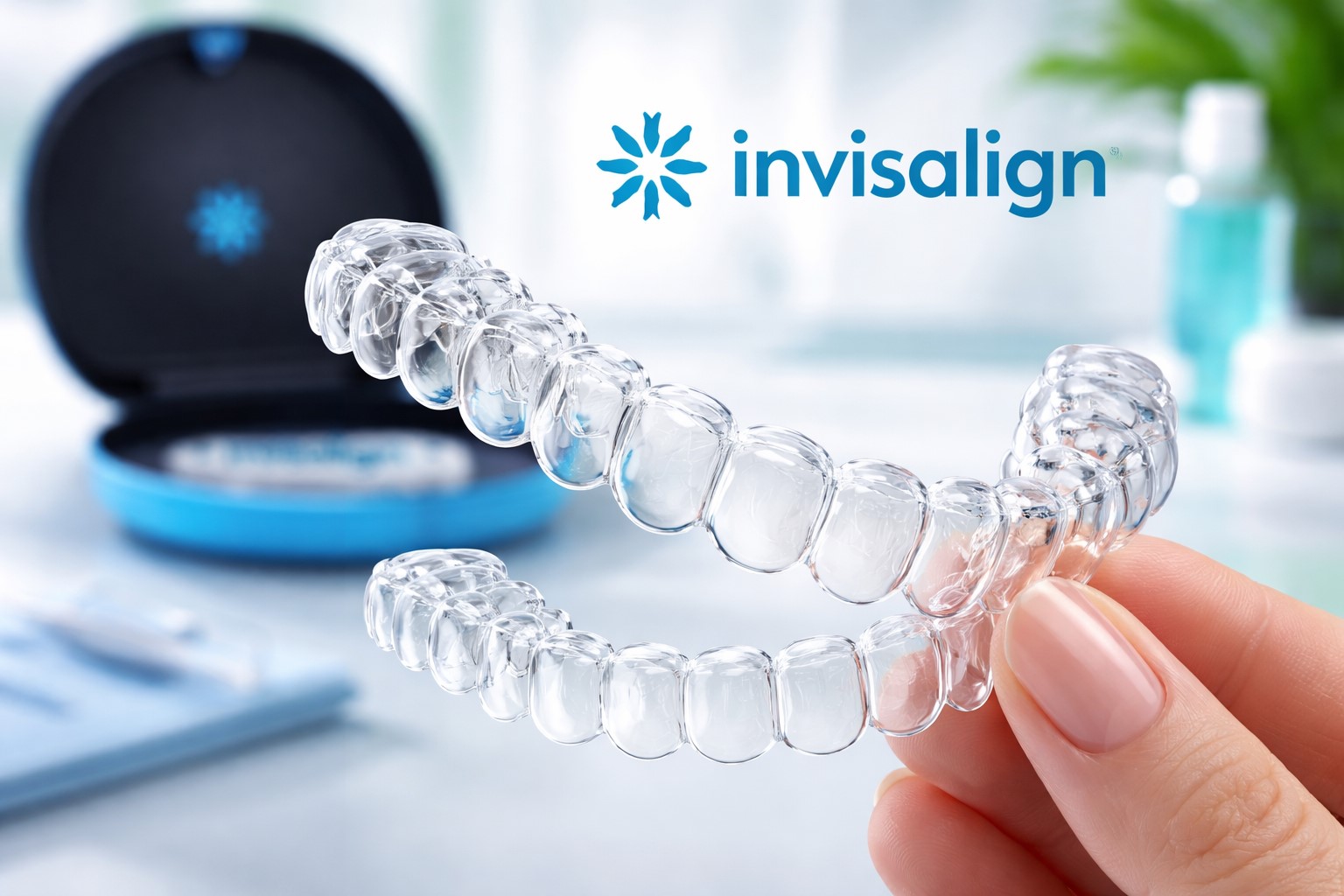
Invisalign Treatment: Process, Technology & Benefits Explained
The technology behind Invisalign is actually the most interesting part, it’s not just “plastic trays,” but a combination of 3D imaging, biomechanics, and mass customization.
Process of Invisalign –
1. Digital scanning (no traditional molds)
Instead of messy impressions, Invisalign uses intraoral scanners like iTero scanner.
How it works:
● A handheld wand scans your teeth in minutes
● Creates a highly accurate 3D digital model
● Captures gum line, bite alignment, and spacing
Why it matters:
● More precise than old plaster molds
● Instant visualization of your teeth
● Better fitting aligners
2. AI-driven treatment planning
The scanned data is processed in proprietary software called ClinCheck
What it does:
● Simulates step-by-step tooth movement
● Shows:
-Starting position
-Intermediate stages
-Final outcome
Tech behind it:
● Predictive modeling
● Biomechanical algorithms
● Large datasets from millions of past cases
3. SmartTrack material (the aligner plastic)
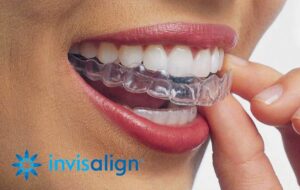
Invisalign aligners are made from a patented material called SmartTrack.
Properties:
● Flexible yet controlled elasticity
● Applies consistent force over time
● Snug fit around teeth
Why it’s important:
● Earlier plastics were less predictable
● SmartTrack improves:
-Comfort
-Precision
-Speed of tooth movement
4. Controlled biomechanics (how teeth move)
To move teeth, Invisalign relies on:
1. Sequential aligners
● Each aligner moves teeth by about 0.25–0.3 mm per step
2. Attachments (tiny tooth-colored bumps)
● Bonded temporarily to teeth
● Help aligners grip and apply force
● Enable complex movements like rotation and extrusion
3. Interproximal Reduction (IPR)
● Slight enamel reshaping (0.2–0.5 mm)
● Creates space for movement
5. Mass customization & manufacturing
This is where Invisalign is truly advanced.
Process:
1. Treatment planning
● Your treatment plan is broken into multiple stages
2. Aligners
● Each stage = one aligner
3. Customization
● Each patient gets a completely customized series
6. Remote monitoring & digital tracking
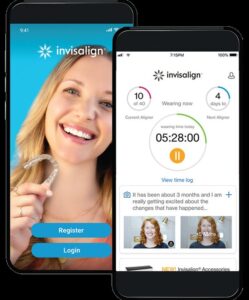
Modern Invisalign integrates with apps and tools:
Example:
● My Invisalign
Features:
● Progress tracking
● Wear-time reminders
● Virtual check-ins
Additional technology:
● Some clinics also use AI-based scan monitoring systems for remote adjustments
7. Feedback loop & refinement
If teeth don’t move exactly as predicted:
● New scans are taken
● Software recalculates movement
● Additional aligners (“refinements”) are produced
This adaptive loop is a big technological advantage over traditional braces.
Why Invisalign works (core principle)
It’s based on a biological concept called:
● Bone remodelling
Process:
● Pressure → bone resorption
● Tension → bone formation
● Teeth gradually shift position
The aligners apply a controlled, continuous force, which is key.
Big picture: what makes Invisalign advanced?
It combines:
● 3D scanning
● Simulation software
● Advanced materials
● Precision manufacturing
● Data-driven orthodontics
👉 In simple terms:
It turns orthodontics into a highly planned, digital, and customizable system.
Invisalign
Emergency Care
+91-9604480444