Teeth

How Long Does Teeth Whitening Last? Tips to Maintain Your Results

A brighter smile can boost confidence, but one of the most common questions people have before professional whitening is: how long does teeth whitening last?

Teeth whitening is not a permanent treatment. The duration of the results can vary depending on your lifestyle, oral hygiene, diet, type of staining and the whitening treatment you receive.

If you are considering teeth whitening in Pune, understanding what can affect the longevity of your results can help you make an informed decision and maintain your brighter smile.

How Long Does Teeth Whitening Last?

The results of teeth whitening can vary from person to person. There is no single duration that applies to everyone.

Your teeth can gradually become stained again because of everyday habits and exposure to foods and drinks that contribute to discolouration.

Factors that can influence how long whitening results last include:

  • Tea and coffee consumption
  • Smoking or tobacco use
  • Diet and strongly coloured foods
  • Oral hygiene
  • Type of tooth discolouration
  • Whitening treatment used
  • Individual habits and dental condition

Good oral hygiene and following your dentist’s recommendations can help maintain the appearance of your smile.

Why Do Teeth Become Stained Again After Whitening?

Whitening lightens the colour of natural teeth, but it does not prevent future staining.

Everyday habits can gradually affect tooth colour. Tea and coffee, for example, contain pigments that may contribute to surface staining when consumed regularly.

Smoking and tobacco use can also contribute to tooth discolouration.

Ageing and natural changes in tooth structure may also affect the appearance of teeth over time.

This means that some gradual change in tooth colour after whitening is normal.

What Can Affect Teeth Whitening Results?

1. Tea and Coffee

Regular tea and coffee consumption can contribute to staining. If you frequently consume these beverages, your teeth may become discoloured more quickly.

2. Smoking and Tobacco

Smoking and tobacco use are associated with tooth discolouration and can affect the appearance of a whitened smile.

Reducing or avoiding these habits can help support the appearance of your teeth.

3. Oral Hygiene

Maintaining good oral hygiene is important after whitening. Regular brushing and cleaning between your teeth can help reduce the accumulation of plaque and surface deposits.

4. Diet

Certain strongly coloured foods and drinks can contribute to external staining. Your dentist can advise you about dietary habits that may affect your whitening results.

5. Type of Discolouration

Not all tooth discolouration has the same cause.

Some stains occur on the outer surface of teeth, while intrinsic discolouration develops within the tooth. The type and cause of staining can influence how teeth respond to whitening.

How Can You Maintain Teeth Whitening Results?

You do not need to completely change your lifestyle to care for your smile. A few consistent habits can help.

Maintain Good Oral Hygiene

Brush your teeth regularly and clean between your teeth according to your dental professional’s recommendations.

Good oral hygiene can help reduce plaque and surface buildup that may make teeth appear dull.

Be Mindful of Staining Foods and Drinks

Frequent consumption of tea, coffee and strongly coloured foods and drinks may contribute to staining.

You do not necessarily have to eliminate them completely, but being mindful of your consumption can help maintain the appearance of your smile.

Avoid Tobacco

Smoking and tobacco use can contribute to tooth discolouration. Avoiding these habits can support both the appearance of your teeth and your overall oral health.

Attend Regular Dental Check-Ups

Regular dental visits can help identify plaque, tartar, gum problems and other dental concerns that may affect your smile.

Professional cleaning can also help remove certain surface deposits and stains.

Follow Your Dentist’s Aftercare Advice

Your dentist may provide specific recommendations based on the whitening system used and your individual dental condition.

Following these instructions is preferable to repeatedly using whitening products on your own.

Do You Need Teeth Whitening Touch-Ups?

Some people may choose a future whitening treatment when their teeth become darker again.

However, touch-ups should not be performed simply because you want to whiten your teeth as often as possible.

Your dentist can determine whether additional whitening is appropriate and advise you on a suitable approach.

If you experience sensitivity or other dental problems, these should be assessed before considering another whitening treatment.

Can Teeth Whitening Be Done Again?

In some cases, teeth can be whitened again after the original treatment.

However, the decision depends on factors such as your dental health, previous whitening treatment, tooth sensitivity and the condition of your teeth.

A professional assessment can help determine whether additional whitening is suitable.

Repeated or unnecessary use of whitening products without professional guidance is not recommended.

What Happens If You Have Crowns, Veneers or Fillings?

If you have dental restorations, maintaining a consistent smile shade can require additional consideration.

Whitening affects natural teeth but does not whiten crowns, veneers and certain tooth-coloured fillings in the same way.

If natural teeth become lighter while existing restorations remain unchanged, a difference in shade may become noticeable.

If you have visible restorations, particularly on your front teeth, discuss your options with your dentist before whitening or planning future touch-ups.

Does Professional Whitening Last Longer Than Home Whitening?

The longevity of whitening results is influenced by several factors, so the treatment method alone does not determine exactly how long your smile will remain brighter.

Professional whitening provides dentist-supervised treatment and allows your dental condition, sensitivity and expectations to be considered.

Dentist-supervised take-home whitening can also provide a controlled approach to gradually lightening natural teeth.

The most suitable option depends on your individual needs rather than simply choosing the treatment that promises the fastest result.

What If Your Teeth Become Sensitive After Whitening?

Temporary sensitivity can occur during or after teeth whitening.

You may notice sensitivity when consuming hot or cold foods and drinks. If this happens, follow the aftercare instructions provided by your dentist.

If sensitivity is severe, persistent or accompanied by significant pain, consult a dental professional rather than continuing to use whitening products.

Can Teeth Cleaning Help Maintain Whitening Results?

Professional dental cleaning and teeth whitening have different purposes.

Cleaning can remove plaque, tartar and certain surface stains, helping teeth look cleaner and brighter. However, cleaning does not whiten the natural underlying colour of teeth in the same way as a whitening treatment.

Regular dental cleaning may therefore be part of maintaining good oral hygiene after whitening, while future whitening can be considered separately when appropriate.

When Should You Consider Teeth Whitening Again?

There is no universal schedule for repeating whitening treatment.

Instead of following a fixed timetable, it is better to consider your tooth colour, dental health, lifestyle and previous treatment.

Your dentist can assess your teeth and determine whether additional whitening is necessary or whether another approach would be more appropriate.

Choosing Professional Teeth Whitening in Pune

If you are considering professional teeth whitening in Pune, choosing a dental clinic that looks at both cosmetic goals and overall oral health is important.

Before treatment, your dentist can assess:

  • Your current tooth colour
  • The cause of discolouration
  • Tooth sensitivity
  • Existing restorations
  • Oral health
  • Your desired outcome
  • Suitable whitening and aftercare options

Dental Galaxy is a multi-speciality dental clinic in Pune with locations listed at Bajirao Road and Baner. Its clinic information includes cosmetic dentistry and experienced dental professionals with expertise across different areas of dentistry.

A professional consultation can help you understand whether whitening is suitable for your teeth and how you can maintain the results after treatment.

Final Thoughts

So, how long does teeth whitening last? The answer varies from person to person. Whitening is not permanent, and everyday habits such as tea, coffee, tobacco use, diet and oral hygiene can influence how quickly teeth become stained again.

The good news is that maintaining good oral hygiene, being mindful of staining habits and following professional aftercare advice can help preserve the appearance of your brighter smile.

At Dental Galaxy, patients can consult professional dental doctors for personalised teeth-whitening guidance and treatment. The dental team can assess your oral health, understand your cosmetic goals and recommend an appropriate whitening approach.

If you are looking for professional teeth whitening in Pune, Dental Galaxy can help you understand your treatment options while keeping your overall dental health in focus.

Teeth

Teeth Whitening vs Teeth Cleaning

Teeth Whitening vs Teeth Cleaning in Pune: What’s the Difference?

A clean and bright smile is something many people want, but teeth cleaning and teeth whitening are not the same treatment. If your teeth look yellow, dull or stained, you may wonder whether you need a professional dental cleaning, teeth whitening or both.

Understanding the difference can help you choose the right treatment for your smile.

If you are considering teeth whitening in Pune, knowing what professional whitening does—and how it differs from dental cleaning—is an important first step.

What Is Teeth Cleaning?

Professional teeth cleaning is a preventive dental procedure designed to remove plaque, tartar and certain surface deposits from the teeth.

Even with regular brushing and flossing, some deposits can build up in areas that are difficult to clean at home. A professional cleaning can help maintain oral hygiene and support healthy teeth and gums.

Dental cleaning may be recommended when you have:

  • Plaque or tartar buildup
  • Surface stains
  • Bad breath associated with poor oral hygiene
  • Gum-related concerns
  • Difficulty maintaining certain areas of the mouth

Cleaning can make teeth appear cleaner and sometimes brighter by removing accumulated deposits and surface stains. However, professional cleaning is not the same as bleaching the natural colour of teeth.

What Is Teeth Whitening?

Teeth whitening is primarily a cosmetic dental treatment intended to lighten the colour of natural teeth.

Professional whitening systems commonly use peroxide-based ingredients such as hydrogen peroxide or carbamide peroxide. These agents work on compounds responsible for tooth discolouration.

Unlike cleaning, whitening is designed to change the shade of natural teeth rather than simply remove plaque and tartar.

If your main concern is that your natural teeth look darker or yellowish even after maintaining good oral hygiene, professional whitening may be worth discussing with a dentist.

Teeth Cleaning vs Teeth Whitening: Key Difference

The simplest way to understand the difference is:

Teeth cleaning removes deposits and surface buildup. Teeth whitening lightens the colour of natural teeth.

Teeth Cleaning Teeth Whitening
Focuses on oral hygiene Focuses on tooth colour
Removes plaque and tartar Lightens certain types of discolouration
Helps remove some surface stains Targets the colour of natural teeth
Mainly supports dental health Mainly a cosmetic treatment
Usually performed as part of preventive care Usually chosen for cosmetic improvement

The two treatments can sometimes complement each other, depending on your dental condition and goals.

Can Teeth Cleaning Make Teeth Whiter?

This is one of the most common questions patients ask.

A professional cleaning can remove plaque, tartar and some external stains that make teeth look dull or darker. As a result, your smile may appear cleaner and brighter after cleaning.

However, cleaning does not necessarily change the natural underlying colour of your teeth.

If your teeth remain yellow or discoloured after surface deposits have been removed, your dentist may discuss whether whitening could help.

Can Teeth Whitening Remove Tartar?

No. Teeth whitening is not a substitute for professional dental cleaning.

Whitening products are designed to lighten tooth colour, not remove hardened tartar.

If tartar or significant plaque buildup is present, your dentist may recommend addressing your oral hygiene needs first. Whitening should not be used as a replacement for routine dental care.

Which Treatment Should You Choose?

The right option depends on what is causing the change in your smile.

Choose Cleaning When:

A professional dental cleaning may be appropriate if your main concern is:

  • Plaque or tartar buildup
  • Surface staining
  • Poor oral hygiene
  • Gum-related concerns
  • Teeth that look dull because of deposits

Consider Whitening When:

Professional teeth whitening may be considered if:

  • Your natural teeth appear yellow or darker
  • You want a lighter tooth shade
  • Surface deposits have already been addressed
  • Your teeth and gums are suitable for cosmetic whitening
  • You want a brighter smile for an upcoming occasion

In some cases, a dentist may recommend cleaning before whitening so that surface deposits do not interfere with the appearance of the final result.

What About Tea and Coffee Stains?

Regular tea and coffee consumption can contribute to external tooth staining.

Professional cleaning may help remove some of these surface stains. If the natural tooth colour is still darker than you would like after cleaning, whitening may provide an additional cosmetic option.

The best approach depends on whether the discolouration is primarily on the tooth surface or within the tooth.

Does Whitening Work on Crowns and Fillings?

This is particularly important if you have existing dental work.

Teeth whitening affects natural teeth and does not whiten crowns, veneers or certain tooth-coloured fillings in the same way.

If you whiten natural teeth that are next to existing restorations, a difference in shade may become more noticeable.

Therefore, patients with visible crowns, veneers or fillings should discuss their treatment plans with a dentist before choosing whitening.

Is Teeth Whitening Safe?

When suitable products are used correctly and the patient’s oral health is considered, professional teeth whitening is generally regarded as a safe cosmetic dental procedure.

Some people may experience temporary sensitivity or gum irritation.

If you already have sensitive teeth, cavities, gum problems or other dental concerns, tell your dentist before starting treatment.

A dental assessment can help determine whether whitening is appropriate for you.

Can You Have Teeth Cleaning and Whitening Together?

In some cases, cleaning and whitening may form part of the same overall smile-improvement plan.

However, they serve different purposes. Cleaning focuses on oral hygiene and removing deposits, while whitening focuses on changing the colour of natural teeth.

Your dentist can assess your teeth and gums and advise whether cleaning, whitening or another treatment should be considered first.

How Much Do Teeth Cleaning and Whitening Cost in Pune?

The cost of teeth cleaning and teeth whitening in Pune can vary depending on the treatment required.

Factors may include:

  • Type of treatment
  • Amount of plaque or tartar buildup
  • Type of whitening system
  • Number of whitening sessions
  • Materials used
  • Whether additional dental treatment is required

Because every patient’s dental condition is different, it is difficult to provide one fixed price that applies to everyone.

A consultation can help determine the appropriate treatment and associated cost.

Why Professional Assessment Matters

Choosing between cleaning and whitening based only on appearance may not always give you the result you expect.

A dentist can assess:

  • The cause of your tooth discolouration
  • Plaque and tartar buildup
  • Tooth sensitivity
  • Tooth decay or other dental concerns
  • Gum health
  • Existing crowns, veneers and fillings
  • Your cosmetic expectations

This helps ensure that cosmetic treatment is considered alongside your overall oral health.

Choosing Teeth Whitening in Pune

If you are searching for teeth whitening in Pune, consider a dental clinic where your cosmetic goals can be evaluated alongside your overall dental health.

Dental Galaxy is a multi-speciality dental clinic in Pune with locations listed at Bajirao Road and Baner. Its clinic information includes cosmetic dentistry and experienced dental professionals with expertise across different areas of dentistry.

A professional consultation can help determine whether you would benefit from cleaning, whitening or another dental treatment based on your individual needs.

Final Thoughts

Teeth cleaning and teeth whitening have different purposes. Cleaning focuses on removing plaque, tartar and certain surface stains, while whitening is designed to lighten the colour of natural teeth.

If your smile looks dull because of deposits or surface staining, professional cleaning may be the appropriate first step. If your teeth remain darker than you would like after maintaining good oral hygiene, professional whitening may be an option to discuss with your dentist.

At Dental Galaxy, patients can consult professional dental doctors for personalised guidance on teeth cleaning and cosmetic whitening. The dental team can assess your oral health, understand your concerns and help you choose an appropriate approach for a cleaner, brighter and more confident smile.

Teeth

Teeth Whitening in Pune: Cost, Options, Safety & Results

Teeth Whitening in Pune: Options, Safety, Cost & Results

A bright, confident smile can make a noticeable difference to your appearance and self-confidence. If your teeth have become yellow, dull or stained over time, teeth whitening in Pune can be a cosmetic dental option to consider.

Teeth may become discoloured due to ageing, regular consumption of tea or coffee, smoking, tobacco use, certain foods and different types of staining. Professional teeth whitening can help lighten the colour of natural teeth, but the most suitable treatment depends on the cause of discolouration and the condition of your teeth and gums.

Before choosing a whitening treatment, it is important to understand the available options, possible sensitivity, the effect on dental restorations and what results you can realistically expect.

What Is Teeth Whitening?

Teeth whitening is a cosmetic dental procedure designed to lighten the colour of natural teeth and reduce certain types of discolouration.

Professional whitening treatments commonly use peroxide-based ingredients such as hydrogen peroxide or carbamide peroxide. These ingredients work on compounds responsible for tooth discolouration.

Common whitening options include:

  • In-office professional teeth whitening
  • Dentist-supervised take-home whitening
  • Whitening strips and other over-the-counter products
  • Whitening toothpastes for certain surface stains

These options differ in concentration, treatment time, supervision and expected results. A dental examination can help identify the reason for discolouration and determine whether whitening is suitable.

Why Do Teeth Become Yellow or Stained?

Teeth naturally change colour as we age, but everyday habits can also contribute to staining.

Common causes include:

  • Regular tea and coffee consumption
  • Smoking or tobacco use
  • Strongly coloured foods and drinks
  • Age-related changes in tooth structure
  • Surface stains
  • Certain types of intrinsic tooth discolouration

Tooth discolouration can be extrinsic, affecting the outer surface, or intrinsic, occurring within the tooth. Different types of discolouration may respond differently to whitening.

If the colour change is related to an underlying dental problem, whitening alone may not solve the issue. This is why a professional dental assessment can be an important first step.

Professional Teeth Whitening vs Whitening at Home

If you are searching for professional teeth whitening in Pune, you will generally find in-office and dentist-supervised take-home options.

In-Office Teeth Whitening

In-office whitening is performed under the supervision of a dental professional. Before treatment, the dentist can examine your teeth and gums, consider your dental history and prepare the mouth appropriately.

Professional whitening systems may use higher concentrations of whitening ingredients than many over-the-counter products and can therefore produce results more quickly.

This option may be suitable for patients who prefer professional supervision or want to complete the treatment at a dental clinic.

Dentist-Supervised Take-Home Whitening

Some patients prefer a gradual whitening approach at home. A dentist may provide a professional whitening system, often involving custom-fitted trays and whitening gel, along with instructions for use.

This method generally takes longer than many in-office treatments but allows the whitening process to take place gradually at home under professional guidance.

Over-the-Counter Whitening Products

Whitening strips, gels and toothpastes are also available without a dental appointment. Whitening toothpastes mainly help remove surface stains, while many whitening strips use peroxide to lighten teeth.

If you have existing dental problems, significant sensitivity or visible restorations, it is sensible to consult a dentist before using whitening products.

How Does Professional Teeth Whitening Work?

The exact process depends on the whitening system selected.

A professional appointment may begin with an examination of your teeth and gums. Your dentist may also ask about previous sensitivity, dental treatments and your expectations.

If whitening is appropriate, the teeth and surrounding tissues are prepared before the whitening product is applied.

Peroxide-based whitening agents can penetrate dental hard tissues and act on compounds responsible for tooth colour. Hydrogen peroxide and carbamide peroxide are commonly used whitening ingredients.

The objective is to achieve a lighter, natural-looking shade rather than simply choosing the strongest possible treatment. Your dentist can also consider existing restorations and your sensitivity history when planning treatment.

Is Teeth Whitening Safe?

When appropriate products are used correctly and the patient’s dental health is considered, teeth whitening is generally regarded as a safe cosmetic dental procedure.

However, temporary side effects can occur. These may include:

  • Temporary tooth sensitivity
  • Gum irritation
  • Oral discomfort if whitening material contacts the gums

The likelihood and severity of sensitivity can vary depending on the whitening product, concentration, treatment protocol and individual response.

Professional supervision can be especially useful for people who already have sensitive teeth or other dental concerns.

Does Teeth Whitening Cause Sensitivity?

Temporary tooth sensitivity is one of the most common concerns associated with whitening. Some people may experience sensitivity during or shortly after treatment, particularly when consuming hot or cold foods and drinks.

If you already have sensitive teeth, inform your dentist before starting treatment. Your dentist can assess whether whitening is suitable and recommend an appropriate approach.

Persistent or significant dental pain should not simply be assumed to be a normal whitening reaction. A dental examination may be necessary.

Can Crowns, Veneers and Fillings Be Whitened?

If you already have dental restorations, this is an important consideration.

Teeth whitening affects natural teeth and does not whiten tooth-coloured restorations in the same way. Crowns, veneers and certain fillings generally do not change colour when natural teeth are bleached.

Consequently, whitening natural teeth may sometimes create a difference between the shade of your teeth and existing restorations.

If you have visible crowns, veneers or fillings, particularly on your front teeth, discuss them with your dentist before treatment.

How Long Does Teeth Whitening Last?

Teeth whitening is not a permanent treatment. The longevity of results varies from person to person.

Diet, oral hygiene, smoking or tobacco use and regular exposure to staining foods and drinks can affect tooth colour over time. Tea and coffee, for example, may contribute to staining when consumed regularly.

Maintaining good oral hygiene and following your dentist’s recommendations can help maintain your brighter smile. If a future touch-up is appropriate, it should be carried out according to professional guidance.

What Is the Cost of Teeth Whitening in Pune?

The cost of teeth whitening in Pune can vary depending on several factors, including:

  • Type of whitening treatment
  • In-office or take-home treatment
  • Whitening system and materials used
  • Dental examination requirements
  • Whether cleaning or other dental treatment is needed first
  • Cause and severity of tooth discolouration

For this reason, there is no single price that applies to every patient.

A consultation allows the dentist to examine your teeth, understand your expectations and recommend the most appropriate treatment before discussing the associated cost.

Who Can Consider Professional Teeth Whitening?

Professional whitening may be considered by adults who want to lighten the colour of their natural teeth and have suitable oral health.

However, whitening may not be appropriate if you have:

  • Untreated tooth decay
  • Gum disease
  • Significant tooth sensitivity
  • Certain types of intrinsic discolouration
  • Extensive visible restorations
  • Other dental conditions requiring attention

Existing dental problems may need to be addressed before whitening. Teeth whitening is also generally not recommended for children and is not recommended during pregnancy or breastfeeding.

If you are unsure whether whitening is right for you, a dental consultation is the best place to start.

What Should You Do Before Teeth Whitening?

A few simple steps can help make your treatment more predictable.

Discuss sensitivity: Tell your dentist if you regularly experience sensitivity to hot or cold foods and drinks.

Mention dental restorations: Inform your dentist about crowns, veneers or tooth-coloured fillings, especially those visible when you smile.

Address dental problems: Whitening should not replace treatment for cavities, gum problems or other oral health conditions.

Discuss your expectations: If you are preparing for a wedding, professional event or another important occasion, tell your dentist in advance so you can understand the available treatment options and expected timeline.

What Should You Do After Teeth Whitening?

Good oral hygiene remains important after whitening. Continue brushing your teeth and cleaning between them as recommended by your dental professional.

Your dentist may also advise you about foods, drinks and habits that can contribute to staining. Tea, coffee and tobacco are among the factors associated with tooth discolouration.

If you develop sensitivity, follow the instructions provided by your dentist rather than repeatedly applying additional whitening products.

Is DIY Teeth Whitening Safe?

Many home remedies for teeth whitening are promoted online, including lemon, vinegar, charcoal and baking soda. However, natural does not automatically mean safe for your teeth.

Some DIY approaches may be abrasive or acidic, while evidence supporting many of these methods is limited. Professional dental advice can help you avoid unnecessarily exposing your teeth to potentially harmful practices.

If you want a visibly brighter smile, understanding the cause of your discolouration and choosing an appropriate, evidence-based option is a better approach.

Choosing Professional Teeth Whitening in Pune

When looking for teeth whitening in Pune, the treatment itself should not be the only factor you consider.

A professional dental consultation should take into account:

  • Your current oral health
  • The reason for tooth discolouration
  • Tooth sensitivity
  • Existing crowns, veneers or fillings
  • Your desired outcome
  • The type of whitening treatment
  • Appropriate aftercare

Dental Galaxy is a multi-speciality dental clinic in Pune with locations listed at Bajirao Road and Baner. Its publicly available clinic information includes cosmetic dentistry among its treatment areas and lists experienced dental professionals, including Dr. Rahul Kathariya, identified as a cosmetic/aesthetic dentist, periodontist, implantologist and dental surgeon.

Final Thoughts

Teeth whitening in Pune can be an effective cosmetic option for people who want to improve the appearance of naturally stained or discoloured teeth. However, the right treatment should always consider your dental condition, sensitivity, existing restorations and expectations.

At Dental Galaxy, patients can consult professional dental doctors for personalised teeth-whitening guidance and treatment. The dental team includes professionals with expertise across different areas of dentistry, including cosmetic and aesthetic dental care.

If you are considering professional teeth whitening, the Dental Galaxy team can assess your teeth, understand your concerns and help determine which whitening approach is appropriate for you. The goal is not simply to make teeth look whiter, but to approach cosmetic treatment while keeping your overall dental health in mind.

For patients looking for professional teeth whitening in Pune, Dental Galaxy offers multi-speciality dental care at its Pune locations, including Bajirao Road and Baner.

Teeth

Toothbrush Disinfection

  • Run hot water over the bristles before and after each use.
  • Swirl the bristles in an antibacterial mouthwash for 30 seconds.
  • Dissolve 2 teaspoons of baking soda in a cup of water and soak the toothbrush in the solution.
  • Dilute 1 teaspoon of 3 percent strength hydrogen peroxide in 1 cup of water and swish the toothbrush bristles in the solution before brushing.
  • Soak the bristles in vinegar overnight once per week.

Sometimes the best way to make sure you’re using a clean toothbrush is to simply replace it.

Dental Teeth

Bleeding Gums Causes

Occasional bleeding of the gums can be caused by brushing your teeth too vigorously. Frequent gum bleeding can be caused by conditions, including:

Gingivitis

The accumulation of plaque near gums can also cause gingivitis. Symptoms of gingivitis include swollen and bleeding gums.

Periodontitis

Periodontal disease is an infection of the gums and supportive tissues that connect your teeth and gums. Periodontitis can cause your gums to bleed and teeth to loosen.

Vitamin deficiencies

Vitamin C and vitamin K deficiencies can also cause gums to bleed easily.

Pregnancy

Hormonal changes that occur during pregnancy can cause bleeding of the gums.

Medications

Taking certain medications, like blood thinners can cause bleeding gums.

Consult your dentist/periodontist (gum specialist) for a definite diagnosis. Treatment of bleeding gums will vary according to cause.

Teeth

Why Do I Get So Many Teeth Decay?

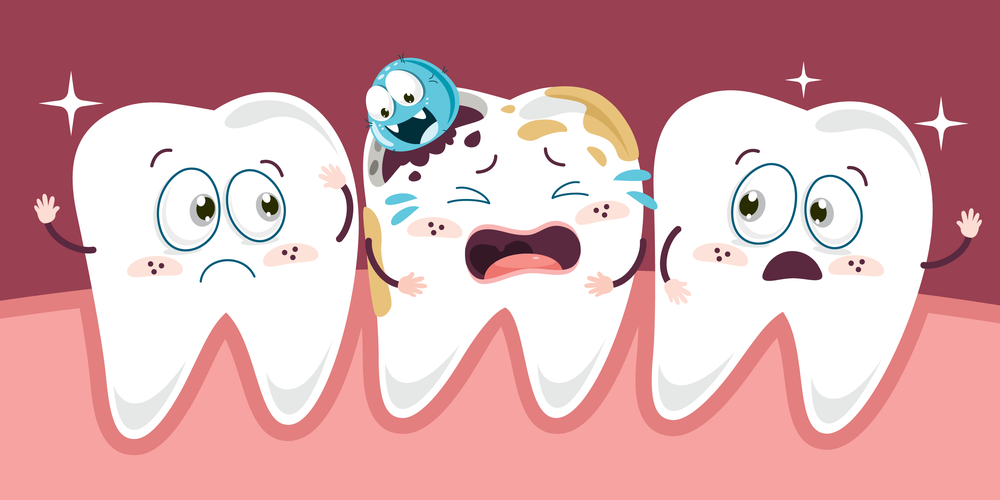
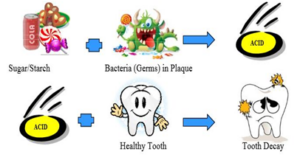
Cavities, also called tooth decay or caries, are caused by a combination of factors, including bacteria in your mouth, frequent snacking, sipping sugary drinks, and not cleaning your teeth well.

Many different types of bacteria live in your mouth. A group of harmful bacteria produces acid in your mouth whenever they encounter and digest sugar. Sugar is like a magnet for bad bacteria. These acids remove minerals from the tooth enamel, which is the outer, protective layer of your tooth. When the pH of plaque drops below normal, or less than 5.5, the acidity starts to dissolve minerals and destroy the tooth’s enamel. This process is called demineralization.

If you don’t take care of your teeth and/or you eat and drink lots of sugary or starchy things, your enamel will keep losing minerals. This leads to tooth decay.

Posts pagination